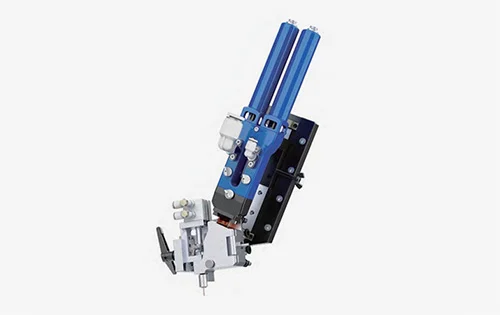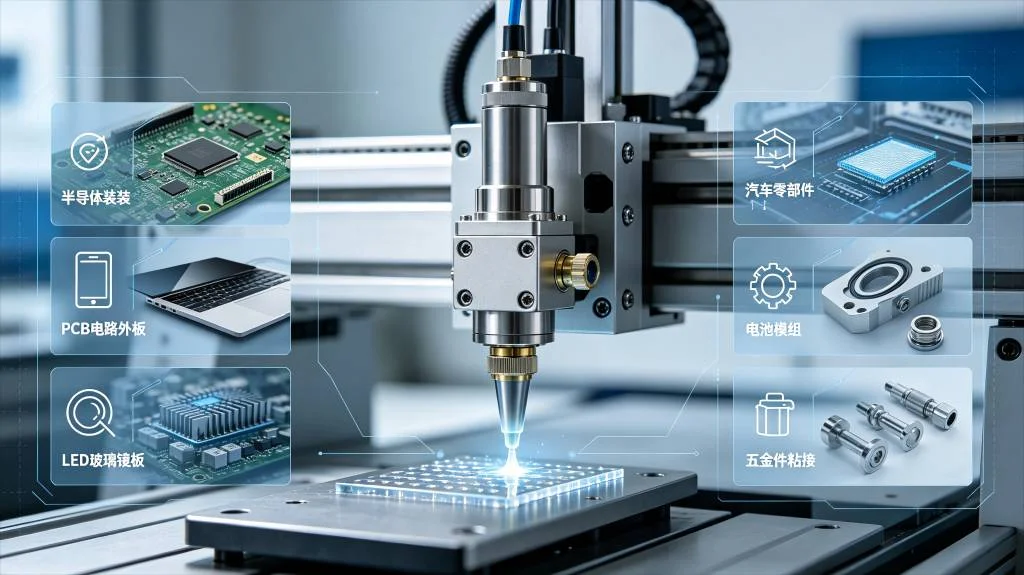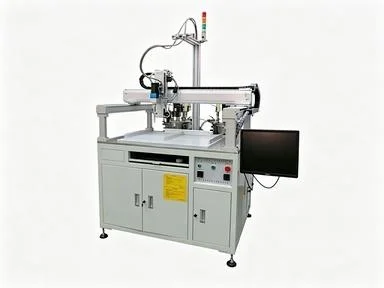

The main factors affecting the potting performance of potting machines include: needle size, dispensing volume, distance between needle and workpiece surface, dispensing pressure, glue viscosity, curing temperature profile, glue temperature, air bubbles in glue, and fluids requiring special parameter settings. Therefore, improvement of potting results should start from these aspects.
1. Needle Selection for Different Types of Glue
- Instant adhesive: Use safety pistons and metal‑lined needles for water‑based instant adhesives. Tapered bevel needles are required for high‑viscosity instant adhesives. PP needles shall be adopted if flexibility is needed.
- UV glue: Use amber syringes, white pistons and bevel needles.
- Light‑curing glue: Adopt black opaque syringes to prevent premature photosensitive reaction.
- Anaerobic glue: Use 10CC syringes and standard white PE pistons.
- Sealants and pastes: Switch to safety‑type pistons if severe rebound occurs with white pistons, and use bevel needles.
2. Dispensing Volume & Dispensing Pressure
It is generally accepted that the diameter of the glue dot shall be half of the product gap. This ensures sufficient glue for component bonding while avoiding glue waste. The dispensing volume is determined by dispensing duration, so the dispensing time shall be set according to temperature and glue properties.
In terms of dispensing pressure, excessive pressure usually causes glue overflow and over‑dispensing. Insufficient pressure will result in intermittent dispensing and missing glue, which leads to defective products. Therefore, pressure shall be adjusted according to ambient temperature, glue viscosity and other factors.
3. Glue Viscosity, Temperature and Curing Profile
Apart from factors related to the potting machine itself, glue viscosity directly determines potting quality.
High viscosity will produce smaller glue dots and even cause stringing. Low viscosity will create larger glue spots and may trigger glue bleeding on products. The optimal glue temperature ranges from 23 ℃ to 25 ℃. Ambient conditions exert influence on glue viscosity: when temperature drops, viscosity rises, glue flow rate decreases accordingly, and stringing tends to occur.
The curing temperature profile is normally provided by the glue manufacturer. In actual operation, curing shall be performed at a relatively high temperature as far as possible to achieve adequate mechanical strength after curing.
4. Needle Inner Diameter Selection
For potting machines, needles with inner diameter approximately half of the target glue‑dot diameter are commonly selected. Needle specifications shall be chosen based on product dimensions during potting operations.
5. Distance Between Needle and Workpiece Surface (Z‑Axis Calibration)
Proper control of the gap between needle and workpiece is critical. Different potting machines match different needles, and each needle has its specific stop height. Accordingly, calibrate the distance between needle and workpiece surface (namely Z‑axis height calibration) before every operation.
Final reminder: No air bubbles shall exist inside the glue. Tiny air bubbles will cause missing‑glue defects on numerous workpieces. Every time you replace the glue tube in the middle of production, exhaust all air at the joint to prevent empty‑run failure of the potting machine.